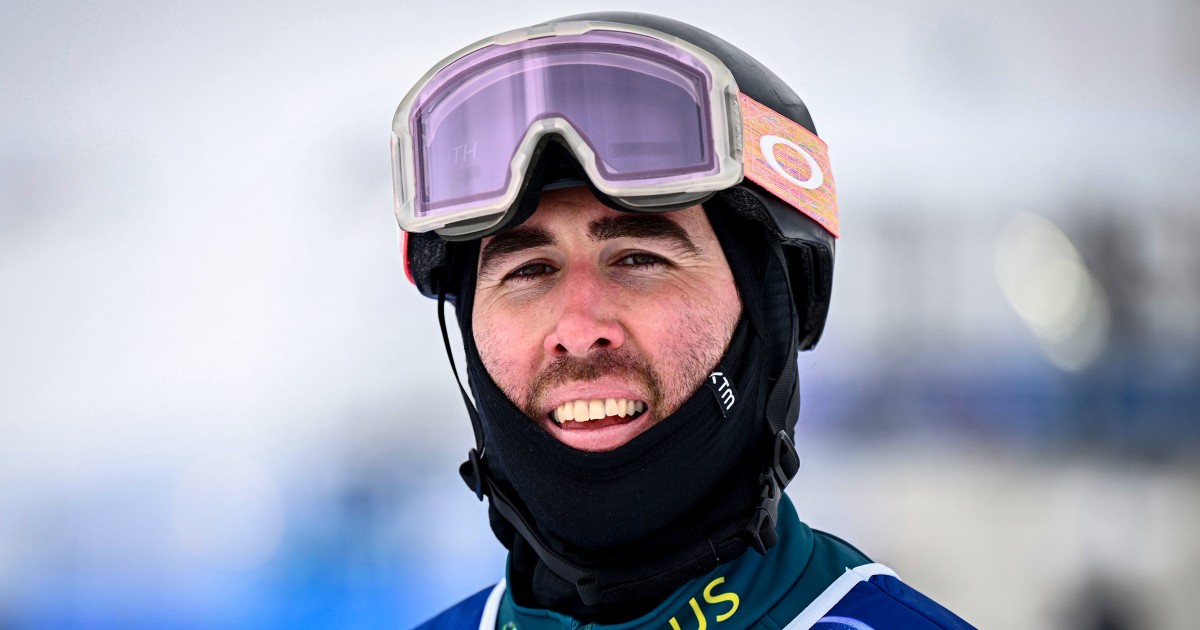
Frightening Crash: Australian Snowboarder Cam Bolton Stable After Breaking Neck in Olympic Training
The exhilarating world of elite winter sports, while awe-inspiring, often conceals a harsh reality: the ever-present risk of serious injury. This stark truth was brought into sharp focus just days before the Milano Cortina 2026 Winter Olympics, when news broke of a frightening training mishap involving decorated Australian snowboarder Cam Bolton. The 35-year-old snowboard cross specialist sustained a broken neck during a routine training run, an incident that has sent ripples of concern through the Olympic community but, thankfully, has also been met with swift medical response and reassuring updates on his stable condition.
Bolton, a seasoned competitor with a silver medal from last year's World Championships, was preparing to represent Australia on the global stage when his Olympic dream was unexpectedly put on hold. His injury underscores the immense physical demands and inherent dangers faced by athletes pushing the boundaries of human performance.
The Perilous Fall and Timely Diagnosis
The incident occurred on Monday, February 10, 2026, during a training session at the Olympic venue in Italy. While details of the fall itself remain sparse, the immediate aftermath saw Bolton, remarkably, able to walk away. However, as is often the case with high-impact injuries, the full extent of the damage wasn't immediately apparent. By Tuesday, Bolton reported worsening neck pain, a crucial detail that triggered an immediate medical assessment.
A scan at the Olympic Polyclinic quickly identified the severity of the situation: two stable neck fractures. This rapid diagnosis was critical, allowing the medical team to take decisive action. Bolton was subsequently airlifted to a hospital in Milan for further imaging and assessment, a testament to the comprehensive medical infrastructure supporting the Games. Following thorough evaluation, he was moved to a nearby hotel, where he is now resting under the careful supervision of the Australian Olympic medical team. The Australian Olympic Committee (AOC) has since confirmed that "Cam is in a stable condition and remains in good spirits," offering a significant sigh of relief amidst the gravity of his injury.
Olympic Dreams Interrupted: A Champion's Setback
For any elite athlete, the pinnacle of their career often culminates in the Olympic Games. Cam Bolton, a veteran on the snowboard cross circuit, was undoubtedly poised to make his mark at Milano Cortina. His recent silver medal in the mixed team snowboard cross at the Engadin World Championships with Mia Clift highlights his formidable talent and competitive edge. To have his participation halted just days before competition due to a broken neck is a heartbreaking blow, not just for Bolton, but for his teammates, coaches, and legions of fans.
The physical recovery from a broken neck, even a stable one, is a long and arduous journey. However, the mental fortitude required to process such a significant setback, especially at the peak of one's career, is equally challenging. Athletes dedicate years, often decades, to honing their craft, making immense personal sacrifices for the chance to compete on the world's biggest stage. The sudden withdrawal forces a profound re-evaluation of immediate goals and future aspirations. For more details on the initial news, you can read our related article: Australian Snowboarder Cam Bolton Breaks Neck at 2026 Olympics.
Navigating the Road Ahead: Medical Care and Team Replacements
The AOC has been proactive in ensuring Bolton receives the best possible care. The Australian Olympic medical team is working closely with local doctors and neuro specialists in Australia to determine the optimal next steps for further assessment and treatment. This collaborative approach underscores the commitment to athlete welfare, even in the most challenging circumstances. Recovery from an injury of this magnitude will involve extensive rehabilitation, focusing on stability, strength, and gradual return to activity, under strict medical guidance.
In the competitive realm of the Olympics, logistical adjustments are often necessary when athletes face unexpected setbacks. The AOC swiftly enacted the "Late Athlete Replacement" option for the men's snowboard cross event. This critical decision paved the way for Olympic debutant James Johnstone to join the Australian team, competing alongside Adam Lambert and Jarryd Hughes in Thursday's qualifying rounds. This ensures Australia maintains a strong presence in the event despite Bolton's absence.
Bolton was not the only Australian athlete to face an untimely withdrawal. Misaki Vaughan, Australia's snowboard halfpipe entrant, was also ruled out of the Olympics after sustaining a head injury during training on Monday and subsequently failing a head impact assessment. While no athlete will replace Vaughan, Australia will still be represented by Amelie Haskell and Emily Arthur in the women's halfpipe qualifying. These incidents serve as a sobering reminder of the high stakes involved in elite athletic preparation. For more on the team changes, see our article: Broken Neck Halts Cam Bolton's Olympic Dream; Replacement Named.
Understanding High-Impact Sports Injuries: Risks and Recovery
The inherent thrill of sports like snowboard cross comes hand-in-hand with significant risks. Athletes navigate treacherous courses at high speeds, execute daring jumps, and compete in close quarters, making falls and collisions an ever-present threat. Understanding these risks and the nature of the injuries they can cause is vital.
The Inherent Dangers of Snowboard Cross
Snowboard cross involves multiple competitors racing simultaneously down a challenging course featuring jumps, rollers, and banked turns. The combination of speed, aerial maneuvers, and direct competition greatly increases the potential for high-impact falls. While helmets and protective gear mitigate some risks, the forces involved in hitting ice or hard-packed snow can still be immense, leading to injuries ranging from concussions and joint sprains to fractures, like the Australian snowboarder's broken neck.
The Nuance of Neck Fractures: Stable vs. Unstable
A neck fracture, or cervical spine fracture, is a serious injury. However, the term "stable" in this context is crucial. A stable fracture typically means that the fractured bones in the neck are not displaced and the spinal column itself remains aligned, often indicating that the spinal cord has not been damaged. While still requiring careful management and a lengthy recovery, stable fractures generally carry a better prognosis than "unstable" fractures, where displacement of the vertebrae could lead to severe neurological deficits. Bolton's prompt medical attention and the identification of his fractures as stable are positive indicators for his long-term recovery.
Preventative Measures and Athlete Safety
While accidents can never be fully eliminated, several measures are critical in high-impact sports:
- Essential Protective Gear: High-quality helmets are non-negotiable. Back protectors, wrist guards, and knee pads also offer crucial layers of defense.
- Progressive Training Protocols: Athletes gradually build strength, technique, and resilience. Course designers ensure features are challenging but within reasonable safety parameters.
- Listening to Your Body: Cam Bolton's decision to report worsening neck pain, despite initially walking away, was paramount. Athletes are trained to recognize and report symptoms immediately, preventing further damage.
- Swift Medical Response: The presence of on-site medical teams, advanced diagnostic tools, and protocols for rapid transport (like Bolton's airlift) are vital for optimal outcomes.
Recovery from a stable neck fracture involves a period of immobilization, often with a neck brace, followed by a structured physical therapy program. The timeline can vary greatly, but it typically spans several months, with a strong focus on regaining strength, flexibility, and confidence under the guidance of specialists. Mental resilience plays an enormous role in this journey.
Conclusion
The news of Australian snowboarder Cam Bolton breaking his neck during Olympic training is a stark reminder of the sacrifices and risks inherent in elite sports. While his Olympic dreams for Milano Cortina 2026 have been put on hold, the quick medical response and the reassuring reports of his stable condition provide a beacon of hope. Bolton's journey to recovery will undoubtedly be challenging, requiring immense physical and mental fortitude. The entire sporting world joins in wishing Cam Bolton a full and speedy recovery, hoping to see this tenacious athlete back on the snow, defying gravity and pushing boundaries once again.