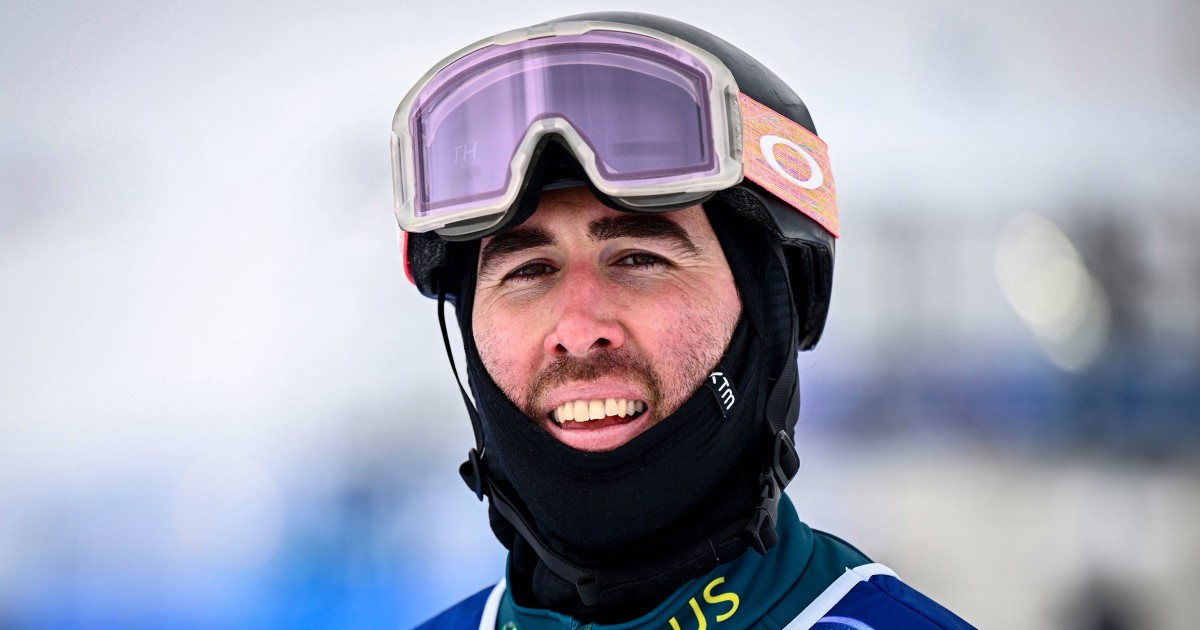
Australian Snowboarder Cam Bolton Breaks Neck at 2026 Olympics: A Harrowing Training Mishap Shakes the Games
The exhilarating atmosphere surrounding the 2026 Winter Olympics in Italy has been momentarily overshadowed by a terrifying incident, as news broke that Australian snowboarder Cam Bolton broke his neck during a training session. The 35-year-old snowboard cross specialist, a seasoned competitor and a medal hopeful, sustained two stable neck fractures in a dramatic fall, forcing his immediate withdrawal from the Milan Cortina Games and sending shockwaves through the Australian contingent and the wider Olympic community. This unfortunate event underscores the inherent risks athletes face at the pinnacle of winter sports, even before the official competitions begin.
Bolton, known for his relentless drive and competitive spirit, was just days away from competing in the men's snowboard cross qualifying on Thursday, February 13th, when the accident occurred. His injury, while stable, represents a devastating blow to his Olympic aspirations and highlights the fine line between glory and grave setbacks in the world of elite athletics.
The Frightening Incident: From Training Crash to Air Evacuation
The incident unfolded on Monday, February 10th, during a routine training run at the Olympic venue. While details of the specific fall remain sparse, the immediate aftermath initially seemed less severe. Reports indicated that Bolton had walked away from the crash, a testament to the adrenaline and resilience often displayed by top-tier athletes. However, the true extent of the injury began to manifest later.
By Tuesday, Bolton reported worsening neck pain, prompting immediate medical attention. A scan at the Olympic Polyclinic quickly identified two stable neck fractures. Recognizing the seriousness of the situation, the Australian Olympic Committee (AOC) medical team acted swiftly. Bolton was airlifted via helicopter to a hospital in Milan for further advanced imaging and comprehensive assessment by neuro specialists. This rapid response and the coordinated effort between local medical staff and the Australian team were crucial in managing the immediate phase of such a critical injury.
In a statement released on Wednesday, February 12th, the AOC confirmed that Bolton was in a stable condition and, remarkably, remained in good spirits despite the gravity of his situation. After initial tests and assessments in Milan, he was moved to a nearby hotel, where he is resting under the continuous care and support of the Australian Olympic medical staff. The focus now shifts to determining the next steps for his treatment and long-term recovery, with consultations ongoing between local doctors and neuro specialists in Australia.
This incident serves as a stark reminder of the unpredictable nature of extreme sports and the incredible vulnerability of athletes pushing their physical limits. For more detailed accounts of the event, you can read about how a Frightening Crash: Cam Bolton Stable After Breaking Neck in Olympic Training.
Immediate Repercussions and Team Australia's Response
Cam Bolton's withdrawal has necessitated an urgent reshuffle for the Australian Olympic team in snowboard cross. With the competition looming, the AOC enacted the "Late Athlete Replacement" option, a protocol designed for such unfortunate circumstances. Stepping into Bolton's formidable boots is Olympic debutant James Johnstone, who will now join Adam Lambert and Jarryd Hughes for the men’s snowboard cross qualifying event.
This last-minute change highlights the depth and readiness required of an Olympic squad, where reserves must be prepared to step up at a moment's notice. While Johnstone will undoubtedly carry the weight of opportunity, his inclusion is a testament to the team's resilience and determination to continue competing at the highest level despite adversity.
Unfortunately, Bolton’s injury wasn't the only setback for the Australian team. In a separate incident, snowboard halfpipe entrant Misaki Vaughan was also ruled out of the Olympics after suffering a head injury during training on Monday and failing a head impact assessment on Tuesday. No athlete will replace Vaughan in the women's halfpipe, with Australia now represented by Amelie Haskell and Emily Arthur. These dual injuries underscore the high-risk environment of elite winter sports, where mere milliseconds or a slight miscalculation can lead to significant consequences.
You can find more information about the team changes and Bolton's replacement here: Broken Neck Halts Cam Bolton's Olympic Dream; Replacement Named.
The Perils of Elite Snowboarding: Understanding the Risk
Snowboarding, particularly disciplines like snowboard cross and halfpipe, involves a delicate balance of incredible skill, daring, and precise execution. These sports demand athletes to navigate challenging courses at high speeds, often in close proximity to competitors, or launch themselves meters into the air, performing complex aerial maneuvers. The forces involved in these activities are immense, making them inherently risky.
- Snowboard Cross: This event sees four to six riders race simultaneously down a course featuring various terrain elements like jumps, rollers, and banked turns. High speeds, mid-air collisions, and jostling for position make falls common and often spectacular. The risk of impacts with other riders or the course features is ever-present.
- Halfpipe: Athletes perform aerial tricks while moving from one side of a U-shaped snow structure to the other. Landing incorrectly from significant height, especially on hard-packed snow, can lead to severe concussions, spinal injuries, and fractures.
For athletes like Bolton, who have dedicated years to honing their craft, the pursuit of Olympic glory often involves pushing the boundaries of what's physically possible. This commitment, while inspiring, unfortunately comes with an elevated risk profile. Advanced safety gear, meticulous course design, and stringent medical protocols are in place to mitigate these risks, but as Bolton's incident tragically demonstrates, accidents can and do happen. It highlights the incredible bravery and dedication required to compete at this level.
Recovery and Resilience: The Road Ahead for an Olympic Athlete
For an athlete of Cam Bolton's caliber, breaking his neck just days before the Olympics is not merely a physical injury; it's a profound emotional and psychological blow. The dream of competing on the world stage, the culmination of years of rigorous training and sacrifice, has been abruptly put on hold. The road to recovery for such an injury is typically long and arduous, requiring immense patience, discipline, and mental fortitude.
Key aspects of recovery for an athlete with a stable neck fracture include:
- Immobilization: Initial phases usually involve strict immobilization to allow the bone to heal, often with a cervical collar or brace.
- Pain Management: Managing pain and discomfort is crucial throughout the healing process.
- Physical Therapy: Once cleared, a structured rehabilitation program will be essential to regain strength, flexibility, and range of motion in the neck and surrounding muscles. This will be a gradual process, focusing on core stability and careful progression.
- Psychological Support: Dealing with the disappointment of missing the Olympics and the challenges of a long recovery can be incredibly tough. Access to sports psychologists and mental health professionals is vital to help athletes navigate these emotional hurdles and maintain a positive outlook.
- Gradual Return to Sport: Any return to high-impact activities like snowboarding will be carefully managed, likely involving months, if not a year or more, of rehabilitation and medical clearance.
While Cam Bolton is reported to be in good spirits, the journey ahead will test his resolve like never before. His remarkable career, which includes a silver medal in mixed team snowboard cross at last year's world championships, speaks volumes about his character. The Olympic community, fans, and his fellow athletes will undoubtedly be wishing him a swift and full recovery, hoping to see him back on the slopes when the time is right.
Conclusion
The incident involving Australian snowboarder Cam Bolton breaking his neck at the 2026 Winter Olympics is a sobering reminder of the inherent dangers and sacrifices embedded in elite sports. While devastating for Bolton and the Australian team, his stable condition and resilient spirit offer a glimmer of hope. As the Milan Cortina Games proceed, the focus will undoubtedly shift to the inspiring performances of the remaining athletes, but the shadow of Bolton's unfortunate injury will serve as a poignant reminder of the incredible bravery and dedication required to pursue Olympic dreams. We extend our warmest wishes to Cam Bolton for a comprehensive and speedy recovery, hoping that this setback is but a temporary pause in a remarkable career.