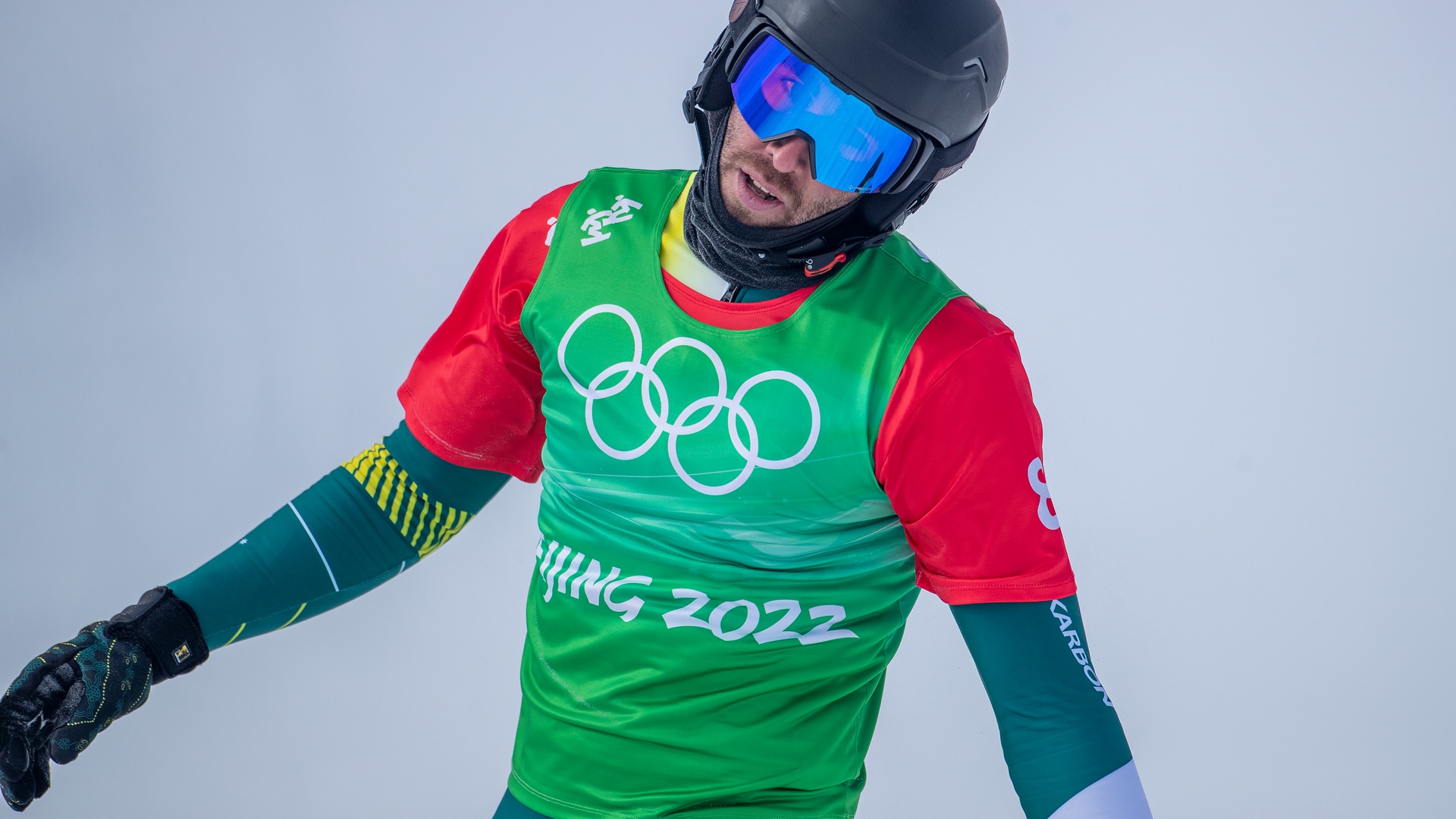
The world of winter sports was recently rocked by the news that Australian snowboarder Cam Bolton suffered a broken neck during a training session for the upcoming Winter Olympics in Italy. This severe injury has not only put a sudden halt to the 35-year-old’s Olympic aspirations but also brought into sharp focus the inherent dangers faced by elite athletes pushing the boundaries of their sport. Bolton, a seasoned snowboard cross specialist, was airlifted to a hospital following a heavy fall, signaling an immediate and serious concern for his well-being. This incident underscores the dedication, risk, and often the heartache, intertwined with the pursuit of Olympic glory, leading to a crucial discussion about athlete safety and the swift actions taken by Olympic committees to support their competitors.
The Unfortunate Incident: Cam Bolton's Training Mishap
On what began as a routine training day in Livigno, Italy, ahead of the prestigious Winter Olympics, Australian snowboarder Cam Bolton breaks neck during Olympic training in Italy, dramatically altering his path to potential medals. The veteran athlete, who was set to compete in his fourth Winter Olympics, experienced a significant fall during a Monday training session. Initially, Bolton appeared to walk away from the heavy impact seemingly unscathed. However, the true severity of the incident manifested itself the following day when he awoke with intensifying neck pain.
Prompt medical attention at the Olympic Polyclinic led to a critical diagnosis: scans revealed two stable neck fractures. The immediate response was decisive and efficient, with Bolton being taken first to a Milan hospital for advanced imaging and comprehensive assessment by neuro specialists. Subsequently, he was moved to a nearby hotel for recovery and ongoing observation. The Australian Olympic Committee (AOC) confirmed his stable condition and remarkably, his good spirits despite the life-altering diagnosis. This swift medical intervention highlights the robust support systems in place at major international sporting events, designed to manage high-risk injuries with utmost urgency and provide the best possible care for athletes.
A Seasoned Competitor's Olympic Dream Derailed
Cam Bolton is no stranger to the intensity of Olympic competition. At 35, he's a veteran of the snowboard cross circuit, known for his aggressive yet controlled style. His impressive resume includes a silver medal in the mixed team snowboard cross at the previous year's world championships in Engadin, Switzerland, alongside Mia Clift. This track record made him a strong contender for a podium finish, amplifying the personal tragedy of his injury. For an athlete who has dedicated years, even decades, to mastering their craft and reaching the pinnacle of their sport, a sudden and severe injury just days before competition is a devastating blow. It's not merely a physical setback but a profound psychological challenge, forcing a rapid recalibration of immediate goals and future aspirations.
Navigating Recovery and Athlete Support Systems
The journey to recovery for an elite athlete facing a severe injury like a broken neck is multifaceted, involving not just physical healing but also immense psychological resilience. For Cam Bolton, the immediate priority is assessment and treatment. The Australian Olympic medical team is working closely with local Italian doctors and renowned neuro specialists in Australia to chart the best course of action. This collaborative approach ensures that Bolton receives comprehensive care, drawing on expertise from various corners of the globe to ensure the most informed decisions are made for his long-term health and well-being.
Alisa Camplin-Warner, Australia's Chef de Mission for Milano Cortina 2026, provided reassuring updates, emphasizing Bolton's positive outlook. "Cam wanted to make sure his teammates understood what was happening and that he was fine and doing well and being looked after well," Camplin-Warner stated. This sentiment underscores the camaraderie within the Olympic team and Bolton's leadership even in adversity. His wife, Grace, has joined him, providing crucial personal support during this challenging time. Such personal and professional support networks are vital for athletes coping with career-threatening injuries, helping them navigate the emotional and practical hurdles of recovery and maintain a positive mindset.
The Mental Fortitude of an Olympian
Beyond the physical trauma, an Olympic-level athlete losing their chance to compete due to injury faces a profound psychological challenge. Years of rigorous training, sacrifice, and laser focus culminate in the Olympic Games, making such a sudden cessation incredibly difficult. Athletes like Bolton demonstrate remarkable mental fortitude; his concern for his teammates even from his hospital bed speaks volumes about his character and dedication. Processing the abrupt end to an Olympic campaign requires immense inner strength. Many athletes benefit from psychological counseling and peer support to help them process feelings of disappointment, anger, and loss, and to begin the challenging work of redefining their immediate future goals and finding new motivations.
The Olympic Dream Continues: A New Chapter for the Australian Team
While Cam Bolton's individual Olympic journey has been prematurely halted, the spirit of competition and the aspirations of the Australian team persist. The Australian Olympic Committee swiftly enacted the "Late Athlete Replacement" option, a crucial mechanism allowing for substitutes in unforeseen circumstances. This led to the call-up of Olympic debutant James Johnstone, who will now join Adam Lambert and Jarryd Hughes in the men's snowboard cross qualifying event. Johnstone’s inclusion is a testament to the depth of talent within Australian snowboarding and offers him an unexpected, yet deserved, opportunity to represent his country on the world stage. This flexibility is critical in high-stakes environments like the Olympics, ensuring that teams can adapt to unforeseen challenges without compromising their competitive integrity.
This replacement ensures that Australia maintains its competitive presence in the men's snowboard cross, a discipline known for its thrilling head-to-head races and unpredictable outcomes. For Johnstone, it’s a moment of mixed emotions – sadness for a fallen teammate, but also immense excitement for his Olympic dream coming true. This scenario highlights the dynamic and often fluid nature of Olympic rosters, where readiness, adaptability, and a deep talent pool are key to maintaining a strong presence.
Broader Impacts: Misaki Vaughan's Head Injury
Adding to Australia's Olympic woes, snowboard halfpipe entrant Misaki Vaughan was also ruled out of the Games. Vaughan suffered a head injury during training on the same Monday and subsequently failed a head impact assessment. While no replacement will be made for Vaughan in the women's halfpipe, Australia will still be represented by Amelie Haskell and Emily Arthur. These two separate incidents within days of each other serve as a stark reminder of the high-stakes environment of elite winter sports, where split-second decisions and unforgiving terrain can lead to serious consequences, emphasizing the paramount importance of comprehensive safety protocols, immediate medical evaluation, and proactive athlete well-being strategies.
The Enduring Spirit of Snowboarding: Safety, Resilience, and Passion
The news of an Australian Snowboarder broken neck ends Olympic bid for Cam Bolton is a sobering reminder of the inherent risks in extreme sports. Snowboard cross, with its high speeds, challenging terrain, and multiple competitors racing simultaneously, demands immense skill, courage, and a degree of calculated risk-taking. Athletes train tirelessly to master their craft, but even the most experienced can fall victim to unforeseen circumstances, making every run a testament to their bravery.
- Emphasis on Safety Gear: Modern snowboarding equipment, including helmets, back protectors, and specialized padding, plays a crucial role in mitigating injuries. While essential, as Bolton's case shows, some injuries are beyond even the best protective gear, highlighting the extreme forces involved.
- Advanced Medical Support: The prompt response and specialized medical care available at events like the Olympics are critical. Having highly trained medical personnel, neuro specialists, and airlift capabilities on standby is a non-negotiable aspect of host nation planning, ensuring rapid response to life-threatening injuries.
- Athlete Resilience: Despite the setbacks, the resilience of athletes is truly remarkable. The focus quickly shifts from the disappointment of missing the Games to the long road of rehabilitation and, for many, the eventual return to competition, showcasing incredible mental and physical fortitude.
- Inspiring Future Generations: Even through adversity, these athletes continue to inspire. Their dedication, courage, and ability to overcome significant obstacles serve as powerful lessons for aspiring athletes and fans alike, demonstrating the unyielding spirit of sportsmanship.
Practical Tips for Snowboarders (of all levels)
While elite athletes face unique pressures and risks, recreational snowboarders can also learn valuable lessons from these incidents to enhance their safety and enjoyment on the slopes:
- Always Wear a Helmet: This is non-negotiable. Helmets significantly reduce the risk of head injuries, which can have devastating long-term consequences.
- Know Your Limits: Don't attempt jumps, tricks, or terrain beyond your current skill level. Progress gradually, take lessons from certified instructors, and build confidence steadily.
- Warm Up and Cool Down: Prepare your body for the physical demands of snowboarding with dynamic stretches and warm-up exercises to prevent muscle strains and sprains. A gentle cool-down helps with recovery.
- Check Your Equipment Regularly: Ensure bindings are properly adjusted for your boots, boots fit well and are comfortable, and your board is in good condition (no major damage, edges sharp). Faulty equipment can lead to accidents.
- Be Aware of Conditions: Snow conditions can change rapidly throughout the day and across different parts of the mountain. Pay attention to weather forecasts, resort warnings, and trail signs. Be extra cautious in icy or slushy conditions.
- Never Ride Alone in Remote Areas: If an accident occurs, having a companion can be life-saving. Stick to marked trails and areas with patrol presence, especially if you're new to a resort.
- Stay Hydrated and Fueled: Snowboarding is physically demanding and often takes place at altitude. Keep your energy levels up by drinking plenty of water and snacking regularly to prevent fatigue, which can impair judgment and coordination.
- Respect Others: Always be aware of other riders and skiers around you. Maintain control, give way appropriately, and avoid collisions.
The injury sustained by Australian snowboarder Cam Bolton – a broken neck – is a sobering reminder of the thin line between triumph and tragedy in elite sports. While his Olympic dream for this cycle has been cut short, his resilience, the swift response of the medical teams, and the continuation of the Australian team's Olympic journey through James Johnstone embody the true spirit of the Games. As Bolton embarks on his recovery, the wider sporting community watches, hoping for his full and speedy return to health. This incident, alongside Misaki Vaughan’s head injury, prompts a vital ongoing conversation about athlete safety, preparedness, and the incredible human spirit that perseveres against all odds in the pursuit of sporting excellence.