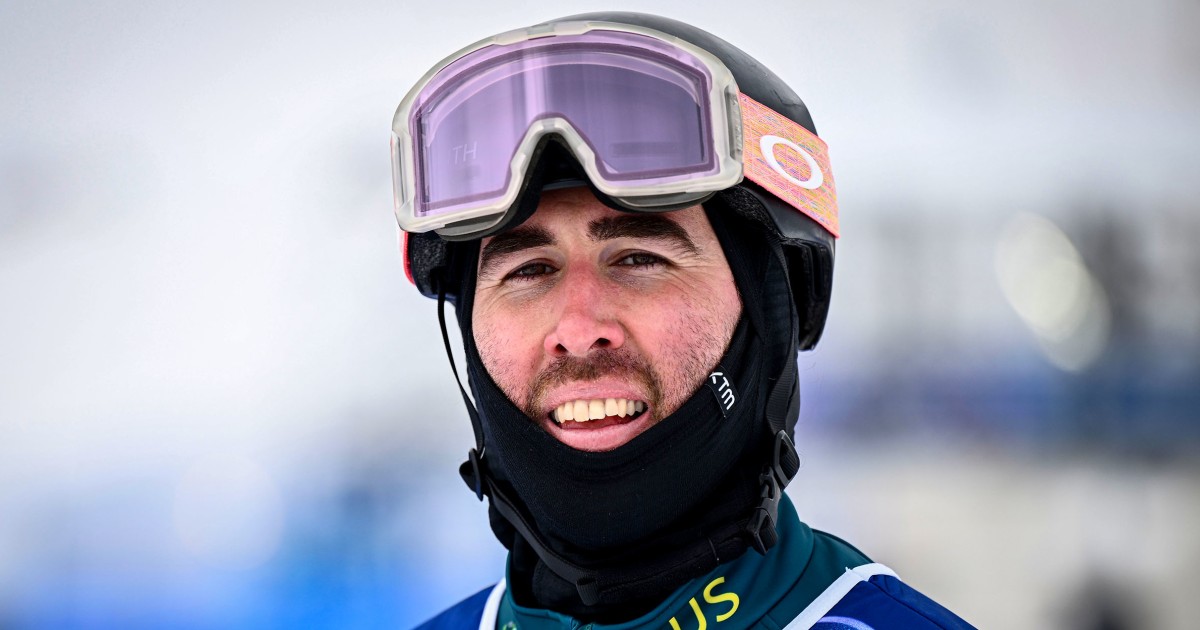
Australian Snowboarder Cam Bolton Breaks Neck During Olympic Training in Italy
The exhilarating world of Olympic sports often presents a brutal contrast between the pinnacle of human achievement and the stark reality of inherent risks. This challenging dichotomy was tragically brought to the forefront recently with the news that elite Australian snowboarder Cam Bolton suffered a broken neck during a training mishap in Italy, just days before the highly anticipated 2026 Winter Olympics. The incident, which saw the 35-year-old snowboard cross specialist airlifted to a Milan hospital, has sent shockwaves through the Australian Olympic team and the wider sporting community.
Bolton, a seasoned competitor preparing for his fourth Winter Olympics, was engaged in what should have been routine practice in Livigno, Italy, when a heavy fall derailed his Olympic dreams. His dedication and remarkable talent have made him a respected figure in snowboard cross, most recently clinching a silver medal in the mixed team event at last year's world championships in Engadin, Switzerland. The severity of his injury underscores the extreme pressures and dangers faced by athletes pushing the boundaries of human capability.
The Incident: A Sudden Turn of Events in Olympic Preparation
The unfortunate sequence of events began on Monday, February 9th, during an intense training session. While the initial impact of the fall might have seemed manageable, Bolton reported worsening neck pain the following day. This delayed onset of severe discomfort is a common, yet often alarming, sign in high-impact sports injuries. Medical assessments at the Olympic Polyclinic quickly revealed the gravity of the situation: two stable neck fractures. The diagnosis necessitated his transfer from the mountain by helicopter to a specialized facility in Milan for further imaging, assessment, and treatment.
For any athlete, a broken neck is a career-threatening, if not life-altering, injury. For an Olympian on the cusp of competition, the emotional and psychological toll is immense. The incident not only highlights the unpredictable nature of elite sports but also the sophisticated medical infrastructure required to support these athletes globally. The swift response, involving immediate scans and an airlift, speaks volumes about the preparedness of the Olympic medical teams.
Cam Bolton's Resilience and Support System
Despite the severity of his injuries, the Australian Olympic Committee (AOC) confirmed that Bolton is in a stable condition and, remarkably, remains in good spirits. This testament to his inherent resilience is a characteristic often found in elite athletes who face adversity head-on. Alisa Camplin-Warner, Australia's Chef de Mission for Milano Cortina 2026, shared insights into Bolton's immediate concerns, emphasizing his desire to reassure his teammates and convey that he was "fine and doing well."
The AOC has been proactive in ensuring Bolton receives the best possible care. "The Australian Olympic medical team is working with local doctors and neuro specialists in Australia to determine next steps for further assessment and treatment," the AOC stated. This collaborative approach, involving both local Italian expertise and Australian specialists, is crucial for comprehensive recovery planning. Furthermore, Bolton has been joined by his wife, Grace, providing vital personal support during this challenging time. Camplin-Warner expressed her pride in the level of care and communication surrounding Bolton, highlighting the robust support network that underpins Australia's Olympic efforts.
The mental fortitude required to process such an injury while maintaining a positive outlook is immense. Athletes often draw strength from their passion for the sport and the camaraderie of their team. Bolton's concern for his teammates, even from his hospital bed, underscores the deep bonds formed within the Olympic family. This support system, extending from medical professionals to family and fellow athletes, plays a pivotal role in an injured athlete's journey toward recovery.
The Immediate Impact on Team Australia and Athlete Welfare
The sudden withdrawal of a key athlete like Cam Bolton inevitably creates a ripple effect throughout the team. In response to Bolton's injury, the AOC swiftly enacted the "Late Athlete Replacement option," ensuring Australia's continued representation in the men's snowboard cross event. Olympic debutant James Johnstone will now step up to compete alongside seasoned teammates Adam Lambert and Jarryd Hughes. While Johnstone's Olympic dream has been fast-tracked under unfortunate circumstances, the focus remains on his readiness to perform under pressure. This immediate team adjustment, necessitated by the Australian Snowboarder Broken Neck incident, showcases the agility and contingency planning inherent in Olympic operations.
Bolton's injury was not the only training setback for Australia. In a separate incident on the same day, snowboard halfpipe entrant Misaki Vaughan was ruled out of the Olympics after suffering a head injury during training and subsequently failing a head impact assessment. While no replacement will be made for Vaughan, Australia will still be represented by Amelie Haskell and Emily Arthur in the women's halfpipe qualifying.
These incidents serve as a stark reminder of the inherent risks in extreme sports, particularly at the elite level where athletes are constantly pushing physical boundaries. Athlete welfare, both physical and psychological, is paramount. Modern sports medicine emphasizes:
- Advanced Safety Gear: Continuous innovation in helmets, protective padding, and binding technology.
- Rigorous Course Design and Maintenance: Ensuring training and competition venues meet the highest safety standards.
- Comprehensive Medical Support: On-site medical teams, immediate access to diagnostic tools, and rapid transport protocols.
- Concussion Protocols: Strict guidelines for evaluating and managing head injuries to prevent long-term damage.
- Psychological Support: Resources for athletes dealing with the mental stress and trauma of severe injuries or the pressure of competition.
The commitment to these measures is a testament to the evolving understanding of athlete safety in high-stakes environments.
The Road Ahead: Recovery and Beyond
For an athlete like Cam Bolton, the journey back from a broken neck is multifaceted and demanding, requiring immense physical and mental fortitude. "Stable neck fractures" typically imply that the spinal cord is not directly compromised, which is a positive sign, but recovery is still a lengthy process involving:
- Immobilization: Often requiring a neck brace to allow bones to heal without further displacement.
- Pain Management: Crucial in the initial stages of recovery.
- Physical Therapy: A structured program to regain strength, flexibility, and range of motion, carefully overseen by specialists.
- Neurological Monitoring: Ensuring no delayed complications arise.
- Psychological Rehabilitation: Addressing the emotional impact of the injury and the potential loss of an Olympic dream.
The timeline for returning to elite-level competition after such an injury can vary significantly, often spanning many months, if not years. Some athletes make remarkable comebacks, while for others, it marks a pivot in their careers. The resilience shown by athletes in overcoming such setbacks is truly inspiring, embodying the Olympic spirit of perseverance and courage.
This unfortunate incident involving the Australian Snowboarder Broken Neck highlights the severe risks athletes undertake, a topic further explored in Broken Neck Ends Olympic Bid for Australian Snowboarder Cam Bolton. The swift actions of the Australian Olympic Committee to ensure continuity for the team, while managing Bolton's care, is detailed in Cam Bolton Airlifted: Australian Snowboarder Replaced After Neck Fractures.
Conclusion
The news of Australian snowboarder Cam Bolton's broken neck during Olympic training is a sobering reminder of the thin line between glory and adversity in elite sports. While his Olympic dreams for 2026 have been tragically cut short, his stable condition and resilient spirit offer hope for a robust recovery. The swift response from medical teams and the unwavering support from the Australian Olympic Committee and his family underscore the comprehensive care network dedicated to athletes. As the world watches the Winter Olympics, the story of Cam Bolton will resonate as a testament to the immense courage, dedication, and inherent risks undertaken by those who strive for greatness on the global stage. We extend our warmest wishes to Cam Bolton for a full and speedy recovery.